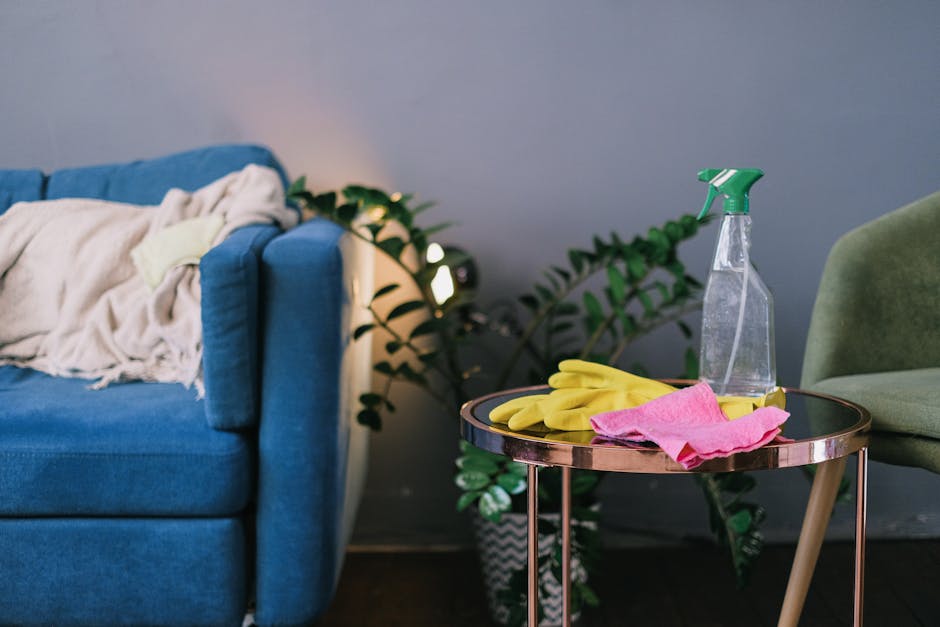
End of tenancy cleaning checklist for UB8 flats
If you are getting ready to move out of a flat in UB8, the cleaning stage can feel like the last big hurdle. Boxes are everywhere, the keys are nearly handed back, and suddenly every skirting board, shower screen, and cupboard shelf seems to matter. A proper End of tenancy cleaning checklist for UB8 flats takes the guesswork out of it. It helps you clean in the right order, focus on the areas landlords and letting agents usually inspect, and avoid those annoying last-minute surprises.
Truth be told, end of tenancy cleaning is rarely about making a place look "nice" in the general sense. It is about returning the flat to a standard that is fair, thorough, and inspection-ready. That means the right attention in the kitchen, bathroom, floors, appliances, and all the overlooked spots that collect grime over time. This guide breaks everything down in plain English, with a room-by-room checklist, practical tips, and a few local realities that matter in UB8 flats, whether you are in a compact apartment near Uxbridge town centre or a larger property a little further out.
You will also find a sensible approach to what tenants usually need to do themselves, what is often worth outsourcing, and how to avoid the sort of mistakes that can turn a moving day into a small headache. Let's keep it straightforward.
Table of Contents
- Why this checklist matters
- How end of tenancy cleaning works
- Key benefits and practical advantages
- Who this is for and when it makes sense
- Step-by-step guidance
- Expert tips for better results
- Common mistakes to avoid
- Tools, resources and recommendations
- Law, compliance, standards, or best practice
- Options, methods, or comparison table
- Case study or real-world example
- Practical checklist
- Conclusion
- Frequently asked questions
Why End of tenancy cleaning checklist for UB8 flats Matters
A move-out clean is one of those tasks that sounds simple until you are actually doing it. In a flat, every room tends to work harder than you remember. Steam gathers in the bathroom, grease hangs around the hob, dust collects behind radiators, and the edges of windows quietly gather marks that only show up in daylight. That is why a structured checklist matters so much.
For tenants in UB8, the checklist is useful for three reasons. First, it gives you a sensible route through the property instead of cleaning randomly and missing things. Second, it helps you prepare for the final inspection with less stress. Third, it supports a fair conversation if the landlord or letting agent has specific expectations about cleanliness. And yes, expectations can vary a bit from one property to another, which is why having a system beats winging it every time.
The local factor matters too. UB8 includes a mix of modern flats, older conversions, and rental properties that may have different finishes, fixtures, and wear patterns. A glossy kitchen in one building may show fingerprints instantly, while another flat may have older fittings that need a gentler touch. The checklist keeps you focused on the condition of the actual property, not some imaginary "perfect" version of it.
Key idea: end of tenancy cleaning is not just about cleaning harder. It is about cleaning smarter, in the order that protects your time, your energy, and ideally your deposit.
How End of tenancy cleaning checklist for UB8 flats Works
The process works best when you treat it like a final property reset. Start by removing your belongings, then clean from top to bottom, and finish with the high-touch, high-visibility areas. That way, dust and debris fall onto surfaces you have not yet cleaned, rather than undoing your work.
In practice, a good end of tenancy clean for a flat usually has five stages:
- Declutter and clear the space so every surface is reachable.
- Dust and dry-clean first, including cobwebs, vents, ledges, and tops of fixtures.
- Deep clean the kitchen and bathroom, where inspection standards are often strictest.
- Clean floors, skirting boards, and internal glass once the dirt above has been dealt with.
- Do a final walk-through to catch marks, smells, and awkward corners.
That sounds obvious, but you would be surprised how often people scrub floors before dealing with cupboard tops or extractor fans. Then the dust drops. Then they sigh. Then they clean the floor again. A classic moving-day loop, really.
In many UB8 flats, space can be tight. That makes sequencing even more important. If you are cleaning in a one-bedroom flat or studio, work room by room and avoid scattering supplies everywhere. A compact trolley or caddy helps. So does opening windows early, especially if you are using kitchen degreaser or bathroom limescale remover.
Also, some areas tend to be more heavily checked than others. Kitchens and bathrooms usually take priority because they show the most obvious wear. Bedrooms and living areas still matter, of course, but the greasy extractor cover or dirty shower screen is what often triggers a note on the inventory. Fair or not, that is the reality.
Key Benefits and Practical Advantages
The biggest benefit of using a proper checklist is confidence. You can move through the flat with less second-guessing and more control, which matters when you are already juggling key handover, removals, and life admin. But there are some more practical advantages too.
- Less risk of missed areas. A checklist catches the forgotten bits like behind appliances, inside drawers, and around taps.
- Better time management. You can plan what to do first, what to leave for last, and where to spend the most effort.
- Cleaner inspection results. A methodical approach usually gives a better final impression than a rushed all-over clean.
- Fewer disputes. Clear evidence of a thorough clean can help if there is any disagreement later.
- Less stress on moving day. Let's face it, moving is enough of a workout already.
There is also a subtle but important benefit: a checklist helps you judge when a job has moved beyond "tenant clean" and into "professional deep clean" territory. For example, if the oven has baked-on grease, the grout is badly stained, or the carpet has pet odour, a standard wipe-down may not be enough. Knowing that early saves time and disappointment.
For a lot of tenants, the real advantage is simple. You avoid the feeling that you are cleaning blindly. You know what to do next, and that makes the whole process feel less overwhelming.
Who This Is For and When It Makes Sense
This checklist is for anyone leaving a rented flat in UB8 who wants to leave the property in good order. That includes students, first-time renters, families, professionals, sharers, and anyone moving between lets. If you have ever looked around a flat on the final day and thought, "Right, where do I even begin?" this is for you.
It makes especially good sense in these situations:
- You are near the end of a tenancy and want a structured plan.
- The inventory report from move-in noted already-clean condition and you want to return the flat similarly.
- You are moving out of a furnished flat and need to clean both the property and the items inside it.
- You have limited time and need to prioritise the most visible or most inspected areas.
- You want to decide whether to clean it yourself or bring in a professional end of tenancy cleaning service.
It is also helpful if you are moving out of a flat with awkward features, like integrated appliances, limited ventilation, or old bathroom sealant that traps dirt. Those little details can make a simple job far more fiddly than expected.
If the property is in decent shape and you have kept on top of regular cleaning, you may only need a focused final clean. If the place has built up grime over months, a fuller deep-clean approach may be the better call. No drama. Just be realistic.
Step-by-Step Guidance
Here is a practical, room-by-room approach you can follow. It works well for most UB8 flats, from compact studios to larger two-bed lets. You can print it, save it on your phone, or just keep it open while you work through the flat.
1. Start with a full clear-out
Remove all personal belongings, food, toiletries, bin bags, paperwork, and loose items. Check cupboards, under beds, behind doors, on top of wardrobes, and inside appliances. A flat never feels fully empty until you find that one forgotten charger or half-used candle in the back of a drawer. Annoying, but normal.
2. Dust high to low
Begin with ceilings, light fittings, picture rails, vents, top shelves, and wardrobe tops. Then move down to shelves, skirting boards, sockets, and furniture. This order stops dust from settling back onto already-cleaned surfaces.
3. Deep clean the kitchen
The kitchen usually deserves the most attention. Focus on:
- oven, hob, and extractor fan
- inside and outside of cupboards
- fridge and freezer, including seals and drawers
- sink, taps, and splashback
- worktops and tiles
- bin area and flooring
Grease and food residue can hide in corners, around handles, and behind appliances. If the oven is heavily used, it may need a stronger degrease than normal household cleaning products can manage. Same goes for extractor filters and cooker hood grease marks.
4. Tackle the bathroom properly
Bathrooms in flats are often small, which means moisture builds up fast. Clean the toilet, basin, bath or shower tray, screen, tiles, taps, mirrors, and sealant lines. Remove limescale where you can, and check around the plugholes. If there is mould, deal with it carefully and safely, not aggressively enough to damage the surface.
Watch out for soap scum on shower glass. It loves to hide until light hits it at an angle.
5. Clean living rooms and bedrooms
Wipe surfaces, vacuum or mop floors, and clean internal glass and window ledges. Check under radiators, behind furniture, and around the edges of the room where dust tends to collect. If the flat has carpets, vacuum slowly and in multiple directions for a better finish.
6. Don't forget doors, handles, and switches
These details matter more than people think. Finger marks around handles, light switches, and door frames are often very visible in a final inspection. A quick wipe can make a surprisingly big difference.
7. Finish with floors and final checks
Once everything above floor level is done, clean hard floors or vacuum carpets. Then do a final pass for smells, smudges, missing bulbs, and forgotten items. Open windows for a short while if the weather allows. Fresh air helps, especially after a strong cleaning session.
Room-by-room quick summary
- Kitchen: appliances, cupboards, sink, splashback, floor
- Bathroom: limescale, shower glass, tiles, toilet, mirrors
- Bedroom: wardrobes, skirting, plugs, window ledges
- Lounge: upholstery, shelves, switches, corners
- Hallway: door frames, shoe marks, flooring, entry dust
Expert Tips for Better Results
A few small habits can improve the result quite a lot. These are the sort of details that tend to separate a decent clean from a genuinely strong one.
- Work in daylight if possible. Artificial light hides marks. Morning or late afternoon light often exposes them.
- Use two cloths for the kitchen. One for greasy areas and one for surfaces. Mixing the two just spreads grime around.
- Leave harsh products to dwell for a few minutes. Especially in the oven, shower, or around taps. Rushing usually means scrubbing harder for longer.
- Check the inventory checklist if you have one. That document tells you what the landlord actually noted at move-in, which is often more useful than guesswork.
- Take photos after cleaning. Keep them simple and clear. They can be handy if there is a question later.
If you have carpeted rooms, a proper vacuum pass can help a lot. And if the carpet has visible spots or dull patches, it may be worth considering dedicated carpet cleaning rather than just a standard household vacuum. The same idea applies to upholstery, curtains, or a tired sofa that has absorbed a bit of everyday life over time.
A useful habit, too: clean the dirtiest thing first while your energy is fresh. Nobody wants to start with the skirting boards and then face the oven at 9 p.m. That way lies regret.
Common Mistakes to Avoid
Most end of tenancy cleaning problems come from a few repeat mistakes. They are easy to make, especially when you are rushing, but also easy to avoid once you know them.
- Cleaning in the wrong order. If you mop before dusting shelves and fixtures, you may end up redoing work.
- Ignoring hidden areas. Behind appliances, on top of cabinets, inside drawers, and under sinks are all common miss points.
- Using the wrong product on the wrong surface. Not every cleaner suits every material. Test first if you are unsure.
- Leaving appliances until the last minute. Ovens and fridges can take longer than expected, especially if they have build-up.
- Forgetting smell. A flat can look clean and still feel stuffy if bins, drains, or old food odours are left behind.
- Assuming "visibly clean" is enough. In inspections, corners and details can matter a lot more than people expect.
One of the biggest issues in UB8 flats is underestimating how much time a small space can take. Smaller does not always mean faster. In a compact flat, there are fewer places to hide dirt, so it often shows more quickly. A little harsh, but true.
Another common slip: forgetting to defrost or clean the freezer early enough. If it is iced up, leave time for that. Otherwise, you end up trying to dry drawers with tea towels while the clock runs down. Not ideal.
Tools, Resources and Recommendations
You do not need a van full of equipment to do a solid end of tenancy clean, but the right basics help a lot. Keep it simple and practical.
Basic cleaning kit
- microfibre cloths
- non-scratch sponges
- vacuum cleaner with attachments
- bucket and mop
- glass cleaner
- degreaser for kitchen surfaces
- bathroom cleaner for limescale and soap scum
- rubber gloves
- bin bags
- old toothbrush or small detail brush
Useful add-ons for flats
- extendable duster for high corners
- crevice tool for skirting and radiator edges
- steam cleaner for stubborn bathroom grime, if suitable for the surface
- microfibre mop for hard floors
If the property needs more than a basic clean, a professional deep-clean approach may be worthwhile. A good deep cleaning service can help with stubborn dirt, build-up, and neglected areas that are easy to miss when you are moving in a hurry. For kitchens, a dedicated oven cleaning service can be a game-changer if the appliance has a lot of baked-on residue. And if windows are streaky or hard to reach, window cleaning can lift the overall finish more than people expect.
It is also worth checking the company's general approach to things like insurance and safety and whether their processes align with your expectations. If you are comparing providers, look beyond the headline price and think about what is actually included.
Law, Compliance, Standards, or Best Practice
For renters in the UK, the main issue is usually not a special "cleaning law" as such, but the tenancy agreement, the property's condition at move-in, and what is considered reasonable fair wear and tear. In practice, end of tenancy cleaning is often judged against the standard of the inventory, check-in report, and the condition expected when the keys are returned.
That means a few things matter:
- Check your tenancy agreement. Some agreements include specific cleaning expectations or requirements for certain areas.
- Compare against the move-in inventory. If the property was professionally cleaned before you moved in, returning it in a similarly clean condition is often expected.
- Keep records. Photos before and after cleaning are sensible and can help prevent disputes.
- Be realistic about fair wear and tear. Normal use is not the same as neglect. A lightly marked carpet is different from a stained, unvacuumed one.
Best practice also means using cleaning products safely, ventilating rooms when needed, and following instructions for appliances and surfaces. Some materials are sensitive, and not every stain needs heavy-handed treatment. In a flat, especially, one over-enthusiastic scrub can do more damage than the original mark. Bit frustrating, but there it is.
If you are using a contractor, it is sensible to understand how they handle payments, complaints, and service terms. A transparent provider should make that information easy to find, alongside policies such as a terms and conditions page and a clear complaints procedure. That kind of clarity is usually a good sign.
Options, Methods, or Comparison Table
Tenants usually choose between three broad approaches: do-it-yourself cleaning, partial professional help, or a full end of tenancy clean. Each can make sense depending on time, budget, and the condition of the property.
| Approach | Best for | Pros | Trade-offs |
|---|---|---|---|
| DIY end of tenancy clean | Well-kept flats, limited budget, plenty of time | Lower cost, full control, flexible timing | Time-consuming, easy to miss detail areas, physically demanding |
| Partial professional help | Specific problem areas like oven, carpets, or bathroom | Targets the toughest jobs, can improve final result quickly | Still leaves some cleaning for you, coordination needed |
| Full professional clean | Short move-out deadlines, deeper grime, inspection-sensitive lets | Thorough, efficient, less stress, usually better for difficult properties | Higher upfront cost |
There is no universal best option. A tidy one-bed flat with regular maintenance may be perfectly manageable by hand. A larger UB8 flat with carpeted rooms, a used oven, and several months of build-up may be less realistic, especially if you are already juggling work and moving logistics.
In our experience, the deciding factor is often time, not just money. If you are staring at a move-out day and thinking, "I can do this... but not properly by myself," that is probably your answer right there.
Case Study or Real-World Example
Here is a realistic example from a typical UB8 flat situation. A tenant in a two-bedroom flat near Uxbridge had just under a week before handover. The flat was generally tidy, but the kitchen had built-up grease around the hob, the bathroom screen had limescale, and the carpets in the bedrooms looked flat and dusty after months of everyday use.
Instead of trying to clean everything at random, they split the work into two evenings and one final morning. First, they cleared the flat completely and dealt with the kitchen appliances. Next came the bathroom and dust-heavy areas like skirting boards, tops of doors, and cupboard edges. On the last day, they vacuumed carpets slowly, wiped switches and handles, and went through the property with the inventory in hand.
The result was not "show home" perfection. That is not really the point. But the flat was clean, fresh, and ready for inspection without that frantic last-minute scramble. One small but useful thing they did was open the windows for a short time after cleaning, so the place did not smell of chemical products or damp cloths. Simple, but it helped.
That is the kind of outcome a good checklist aims for: calm, methodical, and good enough to hold up under a proper walkthrough.
Practical Checklist
Use this checklist as your final pass before handing back the keys. If you prefer, print it out and tick it off room by room.
General tasks
- Remove all personal belongings
- Empty bins and replace liners if required
- Dust all reachable surfaces from top to bottom
- Wipe doors, handles, light switches, and sockets
- Clean skirting boards and window ledges
- Vacuum or mop floors thoroughly
- Check under beds, sofas, and behind furniture
- Take final photos once cleaning is complete
Kitchen checklist
- Clean oven inside and out
- Degrease hob, extractor, and splashback
- Wipe cupboard fronts, handles, and inside shelves
- Defrost and clean fridge/freezer
- Scrub sink, taps, and draining area
- Clean worktops and remove stains
- Sweep and mop the floor
Bathroom checklist
- Clean toilet, basin, bath, and shower
- Remove limescale from taps and glass
- Wipe mirrors and tiles
- Clean grout and sealant where possible
- Check plugholes and drainage areas
- Disinfect high-touch surfaces
Living room and bedroom checklist
- Dust shelves, radiators, and picture rails
- Vacuum carpets or clean hard floors
- Clean internal windows and sills
- Wipe wardrobes, drawers, and bedside furniture
- Check curtains, blinds, and upholstery for dust
Final walk-through
- Look for missed marks in daylight
- Check for smells from bins, drains, or appliances
- Make sure all rubbish is removed
- Verify keys, remotes, and access items are ready to return
Expert summary: The best end of tenancy clean is usually not the one that uses the most product. It is the one that follows a logical order, pays attention to the places people actually inspect, and leaves no obvious loose ends.
Conclusion
A solid End of tenancy cleaning checklist for UB8 flats gives you structure at exactly the moment you need it most. It helps you clean in the right order, focus on the highest-impact areas, and leave the flat in a condition that feels fair and well cared for. That is what most landlords and letting agents are looking for, and frankly, it makes your moving day easier too.
Whether you handle the clean yourself, split it with help from someone else, or bring in professionals for the tougher jobs, the key is preparation. Start early if you can. Use the checklist. Do the final walk-through. And don't leave the oven until the last five minutes, because that is how people end up making tea and giving up. Been there, regrettably.
If you want an easier handover, clearer standards, and less moving-day pressure, a careful cleaning plan is one of the simplest wins available. Small effort, big payoff.
Get a free quote today and see how much you can save.
Frequently Asked Questions
What should be included in an end of tenancy cleaning checklist for UB8 flats?
A good checklist should cover the kitchen, bathroom, bedrooms, living areas, hallways, internal glass, skirting boards, doors, switches, and floors. It should also include hidden spots like behind appliances, inside cupboards, and under furniture.
Do I need professional end of tenancy cleaning for a flat in UB8?
Not always. If the flat is in good condition and you have kept it tidy, DIY cleaning may be enough. If there is heavy oven grease, stained carpets, or very limited time, professional help can be a sensible choice.
How clean does a rental flat need to be before I move out?
In practice, it should be returned in a clean and presentable condition, usually in line with the move-in inventory and tenancy agreement. The property should look and smell fresh, with no obvious dirt, food residue, or missed spots.
What areas do landlords usually inspect most closely?
Kitchens and bathrooms tend to get the closest look because they show grease, limescale, and general wear quickly. Carpets, windows, switches, and skirting boards also often come up in inspections.
How long does end of tenancy cleaning take for a UB8 flat?
It depends on size and condition. A small flat that has been regularly cleaned may take a few hours, while a larger or dirtier flat can take most of a day or more. Appliances alone can take longer than people expect.
Can I just clean the visible areas and leave the rest?
That is risky. Hidden areas, behind appliances, and inside cupboards are often checked during inventory reviews. A surface-level clean can leave enough evidence of dirt to cause issues later.
Should I clean the oven myself or book a specialist?
If the oven has light, recent use, you may be able to clean it yourself. If there is baked-on grease, smoke residue, or stubborn grime, a specialist oven clean can save a lot of time and improve the result.
What if my flat has carpets and pet odours?
Carpets can hold odour even after regular vacuuming. In that case, a deeper carpet clean may be needed, especially if the smell is noticeable when windows are closed. It is better to deal with it properly than hope nobody notices.
Do I need to keep proof of cleaning?
Yes, it is wise to keep photos after cleaning and any receipts if you used professional services. It is not about being argumentative; it is simply useful if there is a question during the check-out process.
What is the difference between deep cleaning and end of tenancy cleaning?
Deep cleaning is a broad, thorough clean that targets built-up dirt and neglected areas. End of tenancy cleaning is more specific: it aims to return the property to the standard expected at the end of a tenancy, often with close attention to inventory and inspection details.
How can I avoid deposit disputes after cleaning?
Follow the inventory report, clean all major and hidden areas, take clear photos, and leave the flat tidy and empty. If something is damaged rather than dirty, it is better to be upfront about it than try to scrub a mark that will not come off.
Is a final clean worth it for a small studio flat?
Usually yes. Small studios can look clean quickly, but they also show dust, marks, and cooking residue very easily. A careful final clean can make a noticeable difference, especially in compact spaces where everything is in view.